
Pi network cryptocurrency
Following the launch of the ShibaSwap decentralized exchange (DEX) in July 2021, holders could stake (or ‘bury’, according to them) SHIB to receive xSHIB. LEASH stakers receive xLEASH, and BONE stakers, quite naturally, receive tBONE tokens nitro casino.
When it launched, SHIB was just one of many memecoins (to quote the gentlest possible term used by the crypto community) attempting to hang on to Dogecoin’s coattails. The likes of Baby Dogecoin, JINDO INU, Alaska Inu, and Alaskan Malamute Token, in particular, share certain similarities with SHIB.
This meme coin quickly gained speed and value as a community of investors was drawn in by the cute charm of the coin paired with headlines and tweets from personalities like Elon Musk and Vitalik Buterin.
SHIB does not have its own blockchain and therefore relies on Ethereum for its security since it is an ERC-20 token. Ethereum’s Ethash algorithm and vast network of miners provide ample safety to SHIB.
In a blog entry, Ryoshi described themself as “just some guy of no consequence tapping at a keyboard.” Ryoshi also claims to own no SHIB tokens and that Shiba Inu is an experiment in decentralized community building.
Top cryptocurrency
The Bitcoin market cap is currently 2,076.28 billion. We arrive at this figure by multiplying the price of 1 BTC and the circulating supply of Bitcoin. The Bitcoin price is currently $ 104,524 and its circulating supply is 19.86 million. If we multiply these two numbers, we arrive at a market cap of 2,076.28 billion.
We calculate a cryptocurrency’s market cap by taking the cryptocurrency’s price per unit and multiplying it with the cryptocurrency’s circulating supply. The formula is simple: Market Cap = Price * Circulating Supply. Circulating supply refers to the amount of units of a cryptocurrency that currently exist and can be transacted with.
A cryptocurrency is a digital currency that keeps records about balances and transactions on a distributed ledger, which is most commonly in the form of a blockchain. Cryptocurrencies enable peer-to-peer transactions between participants across the globe on a 24/7 basis.
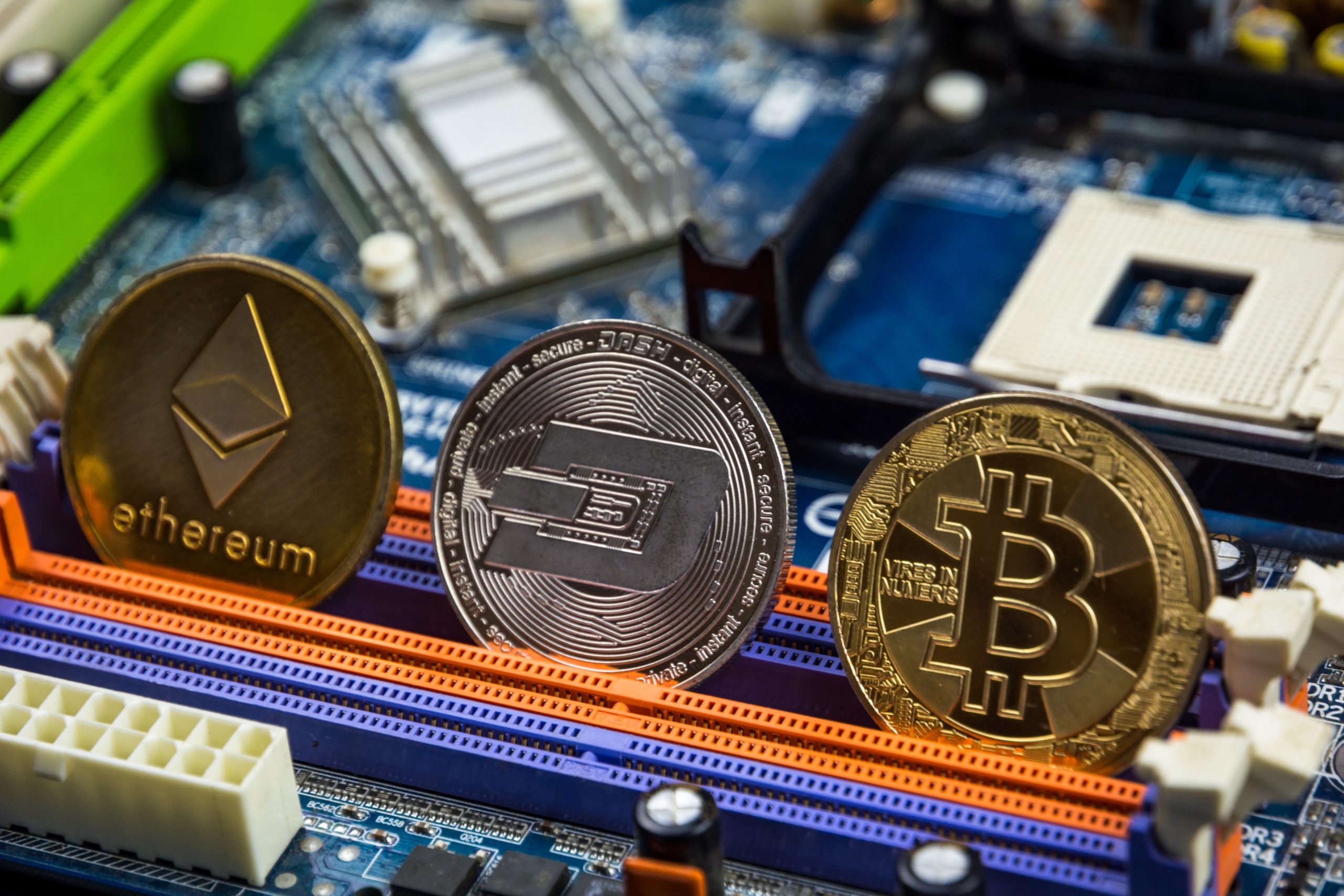
The Bitcoin market cap is currently 2,076.28 billion. We arrive at this figure by multiplying the price of 1 BTC and the circulating supply of Bitcoin. The Bitcoin price is currently $ 104,524 and its circulating supply is 19.86 million. If we multiply these two numbers, we arrive at a market cap of 2,076.28 billion.
We calculate a cryptocurrency’s market cap by taking the cryptocurrency’s price per unit and multiplying it with the cryptocurrency’s circulating supply. The formula is simple: Market Cap = Price * Circulating Supply. Circulating supply refers to the amount of units of a cryptocurrency that currently exist and can be transacted with.
What is cryptocurrency
Cryptocurrency is produced by an entire cryptocurrency system collectively, at a rate that is defined when the system is created and that is publicly stated. In centralized banking and economic systems such as the US Federal Reserve System, corporate boards or governments control the supply of currency. In the case of cryptocurrency, companies or governments cannot produce new units and have not so far provided backing for other firms, banks, or corporate entities that hold asset value measured in it. The underlying technical system upon which cryptocurrencies are based was created by Satoshi Nakamoto.
In 1983, American cryptographer David Chaum conceived of a type of cryptographic electronic money called ecash. Later, in 1995, he implemented it through Digicash, an early form of cryptographic electronic payments. Digicash required user software in order to withdraw notes from a bank and designate specific encrypted keys before they could be sent to a recipient. This allowed the digital currency to be untraceable by a third party.
Crypto marketplaces do not guarantee that an investor is completing a purchase or trade at the optimal price. As a result, as of 2020, it was possible to arbitrage to find the difference in price across several markets.

Cryptocurrency is produced by an entire cryptocurrency system collectively, at a rate that is defined when the system is created and that is publicly stated. In centralized banking and economic systems such as the US Federal Reserve System, corporate boards or governments control the supply of currency. In the case of cryptocurrency, companies or governments cannot produce new units and have not so far provided backing for other firms, banks, or corporate entities that hold asset value measured in it. The underlying technical system upon which cryptocurrencies are based was created by Satoshi Nakamoto.
In 1983, American cryptographer David Chaum conceived of a type of cryptographic electronic money called ecash. Later, in 1995, he implemented it through Digicash, an early form of cryptographic electronic payments. Digicash required user software in order to withdraw notes from a bank and designate specific encrypted keys before they could be sent to a recipient. This allowed the digital currency to be untraceable by a third party.
Crypto marketplaces do not guarantee that an investor is completing a purchase or trade at the optimal price. As a result, as of 2020, it was possible to arbitrage to find the difference in price across several markets.